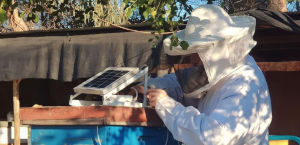
 Sateliot has partnered with S4IoT, a company that provides comprehensive IoT solutions to organizations and industries, to deploy its 5G satellite connectivity and monitor bee populations, thus ensuring the global production of 85% of the world's food, which relies on pollination by these insects. Sateliot will support the technological solution developed by BeeWaze in beehives located in remote areas of the world. Currently, only 15% of these hives are monitored, making this a market with significant growth potential.
 This announcement coincides with the celebration tomorrow, May 20, of World Bee Day, established by the United Nations to raise awareness about the importance of pollinators, the threats they face and their contribution to sustainable development.
Beekeepers can use this technology to monitor and measure parameters such as temperature, weight, and humidity in their hives, as well as the weather forecast for their location. Furthermore, during the pollination process, beekeepers can accurately track, in real time, the number of bees entering the hives per minute and per day.
All this information will allow them to implement preventative and corrective measures, thus optimizing the management and results of their hives. It will also save them unnecessary costs such as travel, as they will be able to monitor these processes without physically visiting the apiary.
Ohio State University has calculated in a study that pollinating insects contribute approximately €460 billion annually to global food production. And according to Statista, the honey market is projected to reach €12.5 billion by 2030.
According to Jaume Sanpera, founder and CEO of Sateliot, “Our technology plays an important role in many aspects of life that people are unaware of. This issue with bees is just one example of how satellite and 5G contribute reliably and affordably to saving bees and thus ensuring global food production.”