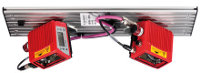
 Image 1: MSPi System: Pre-assembled barcode reader portal.
The BCL 500i and BCL 501i series barcode scanners, used in portals, enable the reliable detection of rotated, damaged, or dirty barcodes thanks to their integrated Code Reconstruction Technology (CRT) and high reading speed. The adjustable reading speed, between 800 and 1,200 scans/sec, ensures reliable identification, even in high-speed processes. Their large depth of field and wide opening angle also make them suitable for use on wide conveyor belts.
The flexible design of the MSPi systems allows for the connection of up to 32 500i series barcode readers to the same portal. Depending on the application, the barcode used (code type and bar length), and the processing speed, Leuze electronic mounts the readers, already adapted for the reading task, onto a baseboard. Applications can handle rotated codes (up to 360° angle) and multi-sided reading (up to 6 sides).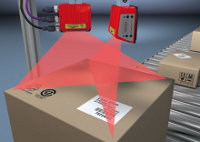 Image 2: Application with multiScan in the packaging industry.
The readers are integrated into the Leuze electronic multiNet plus network, pre-configured and wired – so they are ready to use without any assembly or installation required. The multiScan operating mode is based on the Leuze electronic multiNet plus network protocol and allows multiple barcode readers to be interconnected, sending a single result. The reader portal thus functions as a single barcode reader. This technology is used, for example, in package conveyors where the barcode label can be applied to either the left or right side of the package (see Figure 2).
Comparatively, without MSPi, two individual barcode readers would be required, and the application (Host) managing the data sent by the readers would receive two separate results (one read and one non-read).
With MSPi, two barcode readers managed by the multiScan system are required. This system filters the data, eliminating invalid information and sending only the valid data to the host. The new MSPi systems allow for the rapid implementation of a wide range of plug-and-play applications without the need for additional assembly or wiring, aside from power and communication with the host.
The integrated webConfig tool allows the user to make changes to the application from a web browser without having to install any software on the PC.