Standardizing interfaces can help users manage the complexity of today's network systems; standards make new technologies, such as Ethernet, easier to use.
It is precisely in this area that a definition of device connectivity makes a significant contribution. Issues related to device installation and connectivity must be clarified and resolved before integrated networks can become a reality in industrial automation systems.
The first step is defining a network system that enables connectivity for the main lifelines in an automation system (data, signal, power). 400V power, communications, and signal distribution are all equally important.
There are two connectivity options. Installation can be done pre-assembled during the installation of a functional unit (e.g., a machine) using prefabricated components, or the network can be installed on-site using simple quick-connect technology. In either case, the installation method must offer the best solution for each application. However, in both cases, it is necessary to consider the integrated functional units (automation devices). These devices have specific interfaces that are defined based on the network. From both a functional and installation perspective, providing an optimal solution depends on the availability of a coordinated system for networking, installation, and device connectivity. A system-based approach favors device connectivity strategies that can significantly simplify troubleshooting.
Harting Device Connectivity:
The range of possible device connectivity solutions is as broad as the range of devices used in industrial electronics. Harting offers a wide range of standard data, signal, and power device connectivity products for the industrial electronics market. Harting's product range enables customers to install most connectivity solutions quickly and easily.
Market trends such as compact design, improved device performance, and the use of Ethernet communications with ever-increasing data rates place specific demands on interfaces. Harting's device connectivity strategy reflects the breadth of the company's technical expertise and experience, and offers an opportunity to address connectivity from a system perspective and find the best solution as expectations and demands continue to evolve.
The MicroTCA™ connector, which originated in telecommunications connectivity as a board-to-board connector, is now being used in drive and control equipment. The latest generation of IP67 PushPull connectors is being used for cable-to-board solutions in both market segments. This confirms the trend toward convergence in device connectivity technology and the exploitation of resulting synergies, and has far-reaching effects on Harting's market position. The company offers more than just device connectors: it provides comprehensive device connectivity solutions, including connectors, prefabricated units, and complete backplanes.
Harting: The Device Connectivity Partner in the Design Process.
These changes profoundly influence the collaborative relationship between Harting and its customers. As this relationship moves away from the conventional customer/supplier model, Harting is becoming increasingly involved in the ongoing development of its customers' products and production systems. Customers now have access to the company's wealth of knowledge and experience. To complement the services of the customer representative, a device-level application engineering team and a group of HF (high frequency) experts are ready to provide support. Harting also offers its customers EMC enclosure technology, robust mechanical design, high-power engineering, and installation expertise. Application simulations can be performed in the accredited laboratory during the design process. The Harting technology group is proficient in all the core technologies required for integrated device connectivity solutions, including PCB connectivity based on SMT, SMC, THT, or press-fit technologies.
Harting works with user groups to develop device connectivity solutions that are then incorporated into international standards. Device manufacturers determine the level of Harting's involvement in the design process. Harting can help identify the best device connectivity option in three ways:
The device manufacturer finds suitable device connectivity products in the DeviceCon catalog and takes responsibility for the design with the help of Harting's application support service.
The device manufacturer defines the interface specifications, and Harting assists in selecting the device connectivity products.
The device manufacturer plans a new generation of devices that will use customized device connectivity technology. A joint project is initiated to define the new device connectivity solution. The result of this collaborative effort is a customized and cost-effective solution for mass production.
Of the three options, only the last one takes the design process to a new level. Collaboration between Harting and its customer can optimize performance and better leverage cost-saving potential, especially during the customer's development phase. Device connectivity is part of an integrated industrial automation solution with three main sets of requirements: the network system, plant connectivity, and device connectivity. Engineering requirements for the device interface are derived from the network system. Plant requirements depend on the customer's application. The device electronics and design determine the integration method. Harting is involved at three levels to implement the device connectivity concept. The results confirm the value of this approach.
 The network system:
User groups such as the PNO (PROFIBUS User Organization) create network systems like PROFINET and others. These organizations define the HF performance requirements and the connection face. Currently, there is a clear trend toward system-centric interfaces that are outside the realm of communications.
PROFINET has now defined a 24 V power distribution connector  and a 400 V power connector. The power connector solution over IEEE 802.3 Ethernet networks is based on PoE. The mechanical engineering sector has also specified data and power distribution interfaces in ISO 23570. This has far-reaching implications and underscores the importance of Harting's involvement with industry organizations and associations to ensure that
  the best device connectivity solutions, designed to stand the test of time, are identified and implemented.
Installation Connectivity:
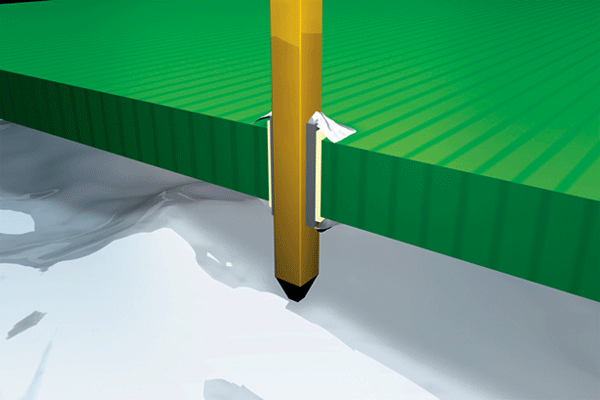
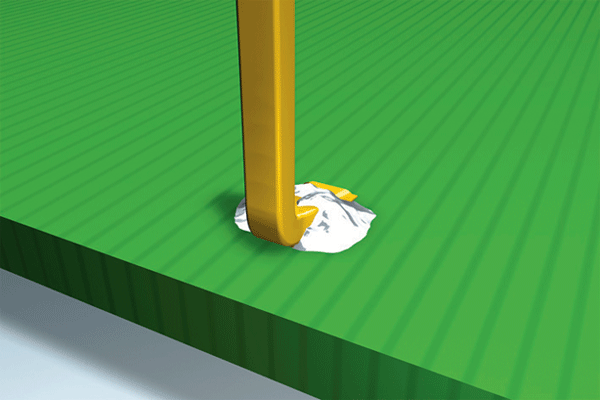
Typically, industry organizations and associations only define the functional requirements for connectors, leaving installation to the users. Large 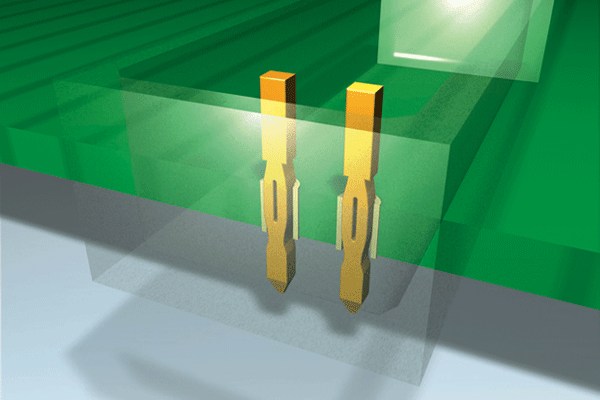 machinery manufacturers often offer prefabricated cable assemblies. If the network is installed on-site, user-friendly connectivity technology becomes crucial. Plug-in connectors are designed for simple, quick, and reliable installation, and their functionality is essential. The Harting Han Quick Lock® can be assembled on-site while also offering a high contact density.
Users need to be involved in developing alternative installation strategies, and devices must be compatible with this installation technology. The installation strategy adopted by German automakers is a good example. All three parties met to agree on an integrated solution that would meet their future needs. This strategy was implemented in close coordination with the PNO to ensure that system-level aspects were taken into account. Automakers contributed their technical installation expertise as end users. Device manufacturers and connector manufacturers, including Harting, were involved in defining the solution.
Device Connectivity:
A good interface solution plays a vital role in any installation strategy. Device manufacturers tend to select connectors that offer the best solution for their specific product. However, the simplest solution for the manufacturer isn't always the best answer in the context of the system and the user. Different device manufacturers use different connectors that are not compatible with each other.
Naturally, device manufacturers have well-founded demands regarding connectors. Most devices contain a PCB. Manufacturers want connectors that can be mounted on the board and soldered together with the other components, and SMT (Surface Mount Technology) is the standard solution. A different approach is necessary if the connector is not mounted on the board in a particular product version. Flat cable can be installed between the connector and the PCB. In IP67 applications, where devices have to operate in demanding machinery environments, the enclosure strategy is another factor that should be discussed with the device manufacturer.
 Harting PushPull Hybrid: The Network, the Installation Strategy, and the Connector.
An optimal connectivity strategy must be based on the best combination of three variables: the system, the installation connectivity, and the device connectivity within the overall context. Only a manufacturer willing to engage in intensive dialogue with system developers, users, and the
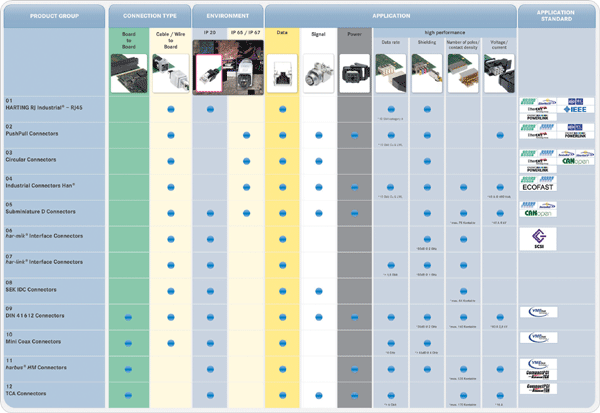
| Figure 3. The DeviceCon selection guide. |
Device manufacturers will be in a position to define new standards. These manufacturers must also offer products in all three categories and possess sufficient technical expertise to find solutions to complex problems. Based on this strategic focus on device connectivity, plant connectivity, and network systems, Harting is positioning itself as a comprehensive provider of complex, system-centric solutions.
Harting's PushPull technology has already set a new standard. Following the acceptance of the PushPull Han® plant connectivity solution in the German automotive industry, the company now faces its next challenge: a new approach to machine installation. Migrating to Ethernet communication technology offers the opportunity to significantly simplify machine connectivity. Market demand for compact, mass-produced machines will accelerate the trend toward multiple intelligent devices crammed into a small space around a central controller. Star topology offers optimal efficiency and performance in these applications.
With hybrid star topology, the method of power distribution to components differs significantly from a line or ring topology solution. Since cascading is not used in star networks, the current carrying capacity can be tailored to each device. In a machine star network, 5 A is sufficient. This reduced capacity facilitates the use of optimized hybrid connectors.
Harting has developed the PushPull Hybrid power connector, which also enables Ethernet communication. The miniaturized design of the PushPull Hybrid meets the needs of device manufacturers who wish to use the connector in compact products.
The DeviceCon Selection Guide: The quick way to find the right device connectivity solution.
Harting has systematized the three requirements (system, installation, and device) and incorporated them with the latest product information in the DeviceCon Selection Guide, part of the new DeviceCon catalog.
During the initial connector selection, device manufacturers can consider all the factors involved in integrating the connector into the device and installing the device by users, as well as issues affecting the device's compatibility within the overall system. The Selection Guide shows, for example, that the connector is a PROFINET-compliant SMT version that incorporates the simplicity of HARAX® connectivity for on-site installation. Because Harting connectors are always designed to provide integrated connectivity within the context of consistent automation solutions, they are the ideal platform for device interfaces, offering significant advantages to both device manufacturers and end users.
Authors:
- Matthias Fritsche,
Product Manager,
Harting Technology Group.
- Andreas Huhmann,
Director of Strategic Marketing ICPN,
Harting Technology Group