Aware of this problem, SPINNER engineers have developed a solution that not only provides a connector compatible with all 7/8” cables offered by major manufacturers, but also meets all the stringent mechanical and electrical requirements of mobile communication systems.
The result is the Multifit® connector, currently the only one on the market that guarantees compatibility with all the most common 7/8” corrugated cables. It offers numerous advantages: economies of scale through reduced inventory and independence from the cable manufacturer in connector selection.
 Multifit Development:
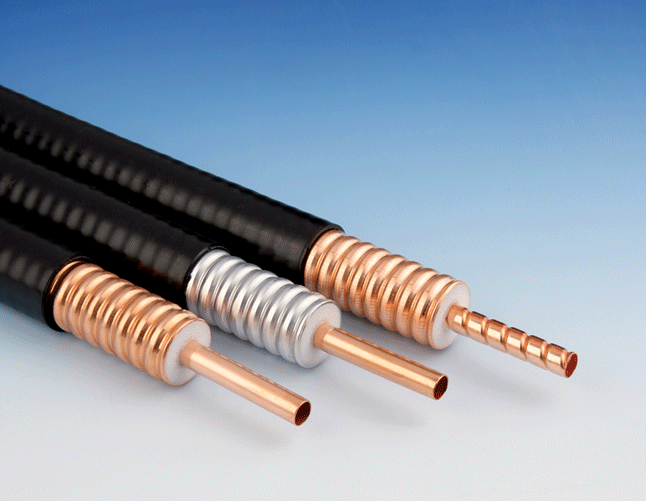
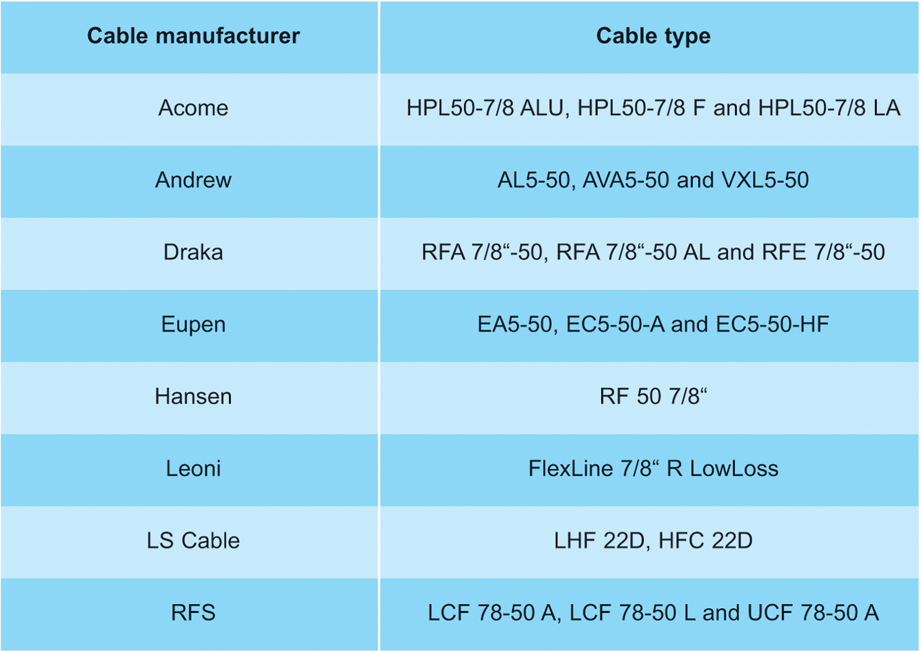
Which cables should our Multifit® be designed for? How could the connector adapt to different geometries? And what should the mechanical and electrical specifications be? Table 1 answers the first question with a list of cables compatible with Multifit®. The differences between some of these cables are quite significant, starting with their material composition, which in some cases is copper and in others aluminum. The profile of the outer corrugation and its characteristics are shown in Figure 2. Some cables used
Cables with a helical core present the additional challenge of having a diameter that differs significantly from cables with a smooth core. However, the special characteristics of the Multifit® connector's specially designed core, combined with a flexible geometry, make it possible to compensate for these size variations of up to 1.5 mm between cores. This represents almost 20% of the total diameter, making it ideal for a wide range of commercial cables.
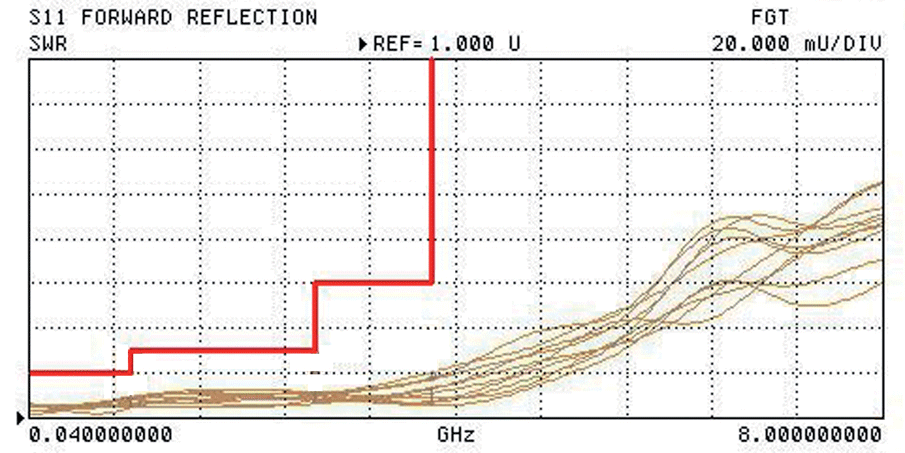
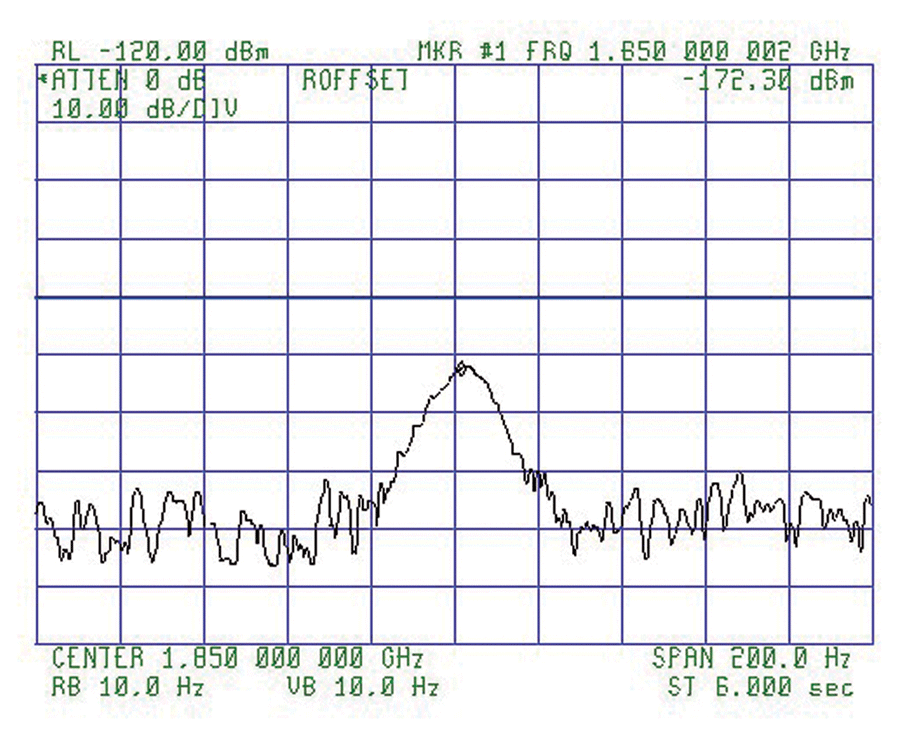
: To achieve the lowest possible PIM (Products of Intermodulation) value, the contact pressure must be sufficient and its area clearly defined. This is achieved using a conductor.
All these features work together to guarantee high PIM and VSWR stability under both static and dynamic operating conditions.
Contact with the cable's outer surface is achieved using clamps. The contact surface is adapted to the material properties, whether copper or aluminum. These materials exhibit different compressive and tensile strengths; the Multifit® connector respects these values and prevents breakage or loss of connection between metals. SPINNER has therefore selected a connection clamp similar to those used by well-known companies such as Cut And Fit connectors.
 Connector Sealing:
In our view, the seal between cable and connector is most effective if the sealing element is placed on the outside of the cable. This means that the contact element must have the size and geometry required by the cable. The cable's corrugation determines the seal. For Multifit® connectors, the transverse force is provided by the connection with the cable. Due to the different diameters of cables and profiles, an "intelligent" sealing element has been designed, which also compensates for irregularities caused by the soldering itself.
 Accessories.
The development of assembly tools for these connectors has been equally important: the sheath cutting and stripping tools and the blade, supplied with the connector, guide the hand saw. These assembly aids must perform their function well for all cable types: on the one hand, without damaging the cable, and on the other hand, achieving a clean cut, which will have a decisive influence on the final VSWR of the assembly.