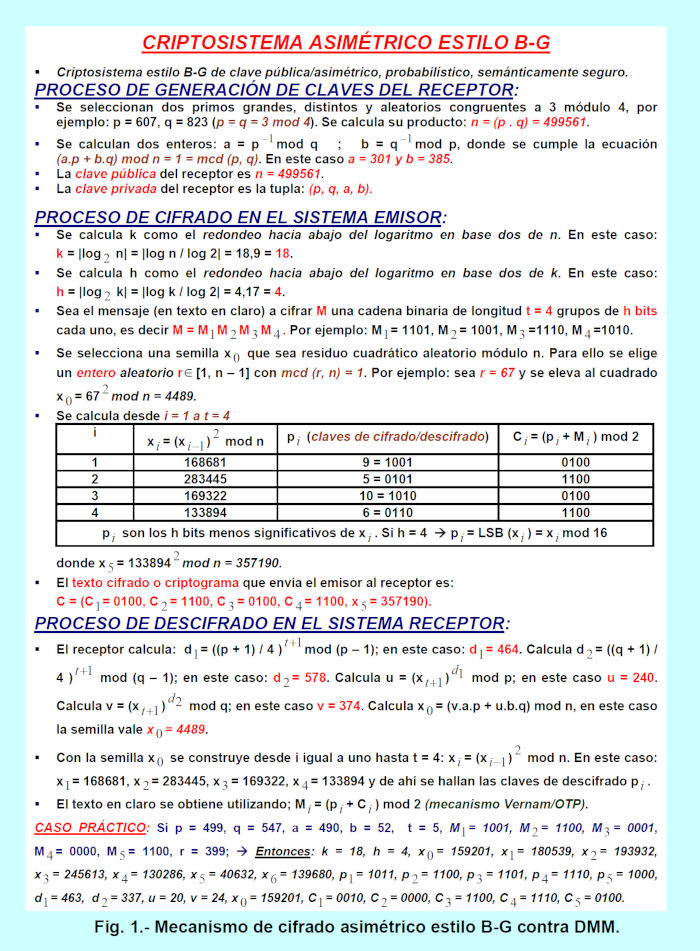
Modern DMM (Disinformation-Misinformation-Malinformation) cyberattacks occur in three interrelated formats: (i) Disinformation Cyberattacks. These attacks generate false information to manipulate, cause harm, induce submission, influence (directly or indirectly, subliminally/stealthily so the recipient(s) are unaware), and mislead individuals, organizations, nations, machines, AI-based autonomous systems, etc. (ii) Misinformation Cyberattacks. These attacks generate erroneous/false information not initially planned to cause harm (similar to dormant entities waiting for critical moments to strike). (iii) Malinformation Cyberattacks. These attacks generate incorrect/bad information originating from subliminal falsehoods and half-truths, which are then exaggerated, distorted, etc., to deceive and cause harm. New DMM cyberattacks operate not only on the digital world and cyberspace but also on people/living beings and our real physical world (analog/digital). They can harm not only people (by deceiving, influencing their decisions, disrupting, confusing, injuring, killing, etc.), but also vehicles/transportation, manufacturing systems, critical infrastructure, hospitals, industries, telecommunications, renewable energy, marine, finance, gaming, smart homes/cities, the military and aerospace environment, security, etc. (by maliciously injecting and changing data and information in devices, embedded systems, clouds, CPS, etc., either using malware or by modifying OTA/Over-The-Air updates).
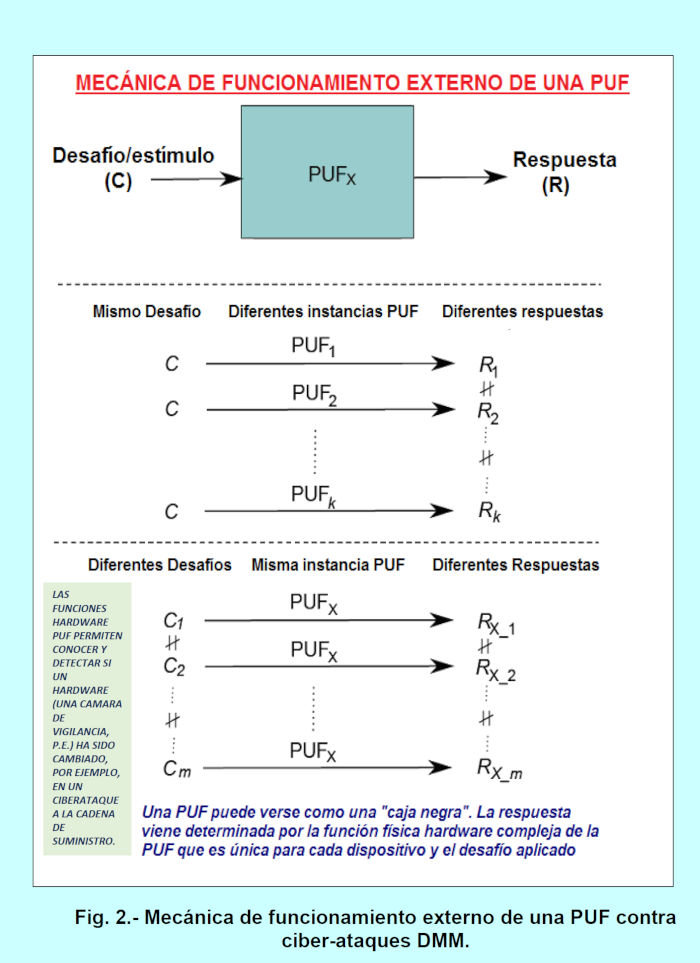 AI-powered spam bots are used as vectors to inject and amplify malicious DMM cyberattacks (damaging reputations, modifying the behavior of people and machines, generating malicious actions, creating confusion, catastrophes, chaos, etc.). DMM cyberattacks aim to deceive, confuse, modify information, and inject incorrect/malicious data (e.g., into supply chains, devices, apps/APIs, social media, forums, etc.). They provide malicious protocols and reasoning. They deceive, seduce, manipulate, and distort reality, data, code, software/firmware, etc. Using a wide variety of techniques and social skills, synthetic media, psychological/psychiatric techniques, social engineering, fake news, fake videos, malware, injection/infiltration of false information, corrupting sensor configurations and data from a sender, edge, or via satellite, use of social media, instant messaging, email, SMS, apps/APIs, call centers, deep voice, deep video, fake biometrics, fake texts, bot and troll networks, fake images, deepfakes/DL-AI, infiltration of erroneous data into networks and systems (e.g., via ransomware), etc. DMM cyberattacks damage, distort, and manipulate the truth and integrity of all types of information, whether directed at machines, computers (incomplete update/configuration data, information with vulnerabilities, etc.), networks, systems, clouds, etc., or at people (through media, social media, instant messaging, etc.). Modern cybersecurity is key, fundamental, a priority, and vital for caring for, protecting, and defending everything: people, society, humanity, the environment, the planet, etc. Its absence or deficiency (the cybersecurity of devices, people, companies, services, apps/APIs, etc., not certified at a high level, such as Common Criteria EAL 5/6/7, by external assessment/audit bodies with accredited certification) has a negative impact. We are all at risk, so nothing and no one is safe (living beings, the environment, services, infrastructure, all five fronts: land, sea, air, space, and cyberspace (the latter being integrated into the previous four)). DMM cyberattacks allow for the creation of "false flags" to achieve impunity for all types of crimes/cybercrimes. Defense against DMM aims to prevent the "real thing"—the truth, information (such as configuration values, biometric data, identity, etc.)—from being distorted, deformed, manipulated, degraded, modified, misrepresented, impersonated, etc. DMM cyberattacks attempt to influence and mislead people (and all types of entities and actors, including AI, machines, computers, mobile devices, PLCs, CPS, AGVs/Automatic-Guide-Vehicles, AMRs/Autonomous-Mobile-Robots, etc.) using various methods such as malware infiltration to damage integrity, internet search lists (and their algorithms) that can change the opinions of people and machines, mind-to-mind/memory-to-memory contagion using psychosocial deceptions, psychological warfare, and leaks between supposedly sealed virtual machines, etc. These methods allow for both direct and subliminal action. DMM cyberattacks are designed to create fear and spread half-truths, manipulate public opinion, the opinions of people as individuals, degrade dignity, change updates and configurations on computing devices, seek to confuse equipment, systems, networks, clouds/edges, damage all types of learning, for example, in artificial intelligence in equipment via machine learning/deep learning, etc.
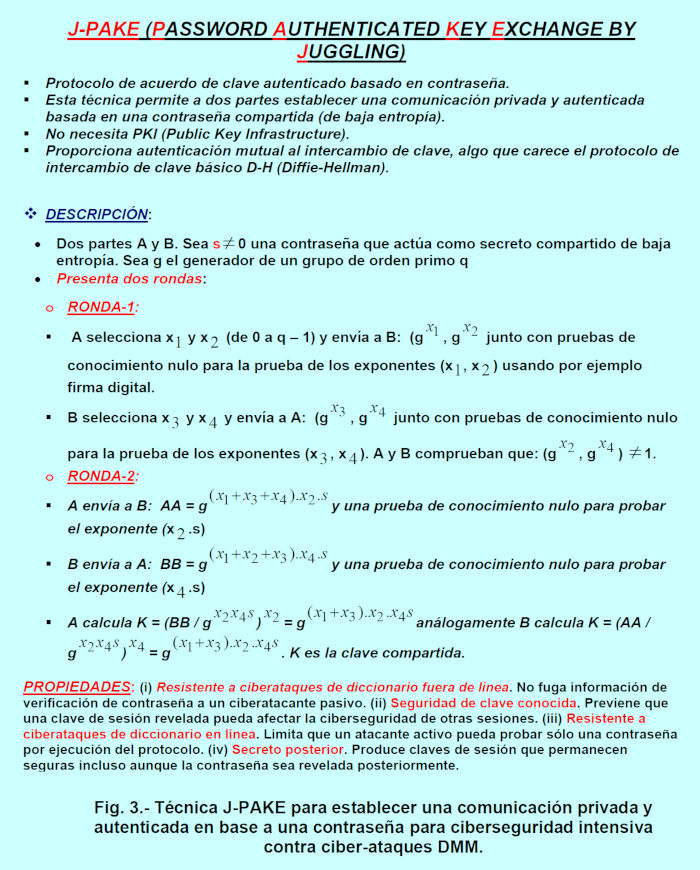 WHERE DMM CYBERATTACKS OPERATE.
DMM cyberattacks are increasingly operating in a wide variety of environments:
(1) The physical world (land, sea, air, and space). They target ordinary people, people with predispositions to mental illness or epilepsy, and people with medical implants such as pacemakers, cardiac devices, and other implanted medical devices (IoMT such as cochlear implants, brain implants, insulin pumps, artificial pancreases, etc.). They also target people in connected vehicles (these cyberattacks can remotely control the vehicle, manipulate its functions, and cause minor or fatal accidents. They allow for the perfectly orchestrated and controlled movement of a group of "hacked" zombie vehicles, both driverless and stationary, to carry out criminal activities). They can influence voters to believe that incompetent people are elected or that highly qualified people are not elected and lose elections. To achieve this, these cyberattacks are injected into social media, forums, online communities, TV, press, radio, instant messaging groups, online discussions, etc., where half-truths, malicious information, lies, etc., are spread.
(2) Cyberspace/Internet-metaverse. False information and contaminated configurations are injected; identities are hijacked and manipulated; biometric information is distorted; fake videos/deep videos are created; and confusion is generated during sessions when establishing remote identities through cloned/contaminated video calls using AI-powered synthetic media, videos, audios, text, and malicious code, manipulated and distorted to create latent and direct damage.
(3) Configurations, initializations, wired and wireless updates (F-OTA/S-OTA/Firmware-Software-OTA/Over-The-Air), via satellite, via cellular (2G,3G,4G,5G,6G, etc.), LoRaWan, Sigfox, Zigbee, Bluetooth/BLE, WiFi, 6LowPAN, V2V (Vehicle-to-Vehicle) communications, V2G (Vehicle-to-Grid), V2X (Vehicle-to-Everything)/ISO-15118, etc. on all types of devices (vehicles/vehicle fleets, ships, submarines, industrial machinery, IIoT, IoMT, AIoT, IoCT, etc., airplanes, trains, transport systems, UAVs (Unmanned Autonomous Vehicles such as drones with AI and 5G), mobiles, PCs, AVs, USB connections for charging batteries that perversely include data threads to inject contaminated data and extract information), perverse QR codes, etc.
DMM CYBERATTACK TYPOLOGY.
Disinformation and malware (DMM) attacks are a type of malicious cyberattack that targets integrity (in cybersecurity, protecting integrity means preventing the modification of information (data, metadata, code, firmware, etc.), hardware, or the "truth") by altering the truth/information and attempting to sow confusion (remember that there is only one correct piece of information or truth). Examples of disinformation include falsifying or concealing the origin of cyberattacks behind a dense, intricate, and chaotic network of proxies; writing malware code in the language of the country we want to implicate and attribute as the cause (this is called a "false flag" attack); or generating false tsunami warnings on coastlines to carry out criminal activities, etc. Currently, we must confront a multitude of realities, but let's remember that there is only one. DMM cyberattacks rely on many sciences such as “agnotology” (which studies ignorance), social engineering (whose mission is to deceive, intimidate, confuse, disorient), psychology, psychiatry, psychometrics, neurology, psychopolitics, “behavior modification and cognitive alteration” techniques, “synthetic-media”, “deep-voice”, “deep-video”, “deep-fake”, “deep-video-calls”, etc. (which allow malicious manipulation and cloning of data/metadata, texts, audios, images, voices, videos, biometric information, etc.), etc. DMM cyberattacks make it possible to insidiously alter the truth/information for many purposes: to deceive, lie, disorient, anesthetize, create zombies, generate nonsense, convince of false facts, create cognitively deficient/illiterate people, cause ecological disasters, create delays in the development of society, cause explosions/fires, accidents, industrial disasters, kill, disrupt computer systems, etc.
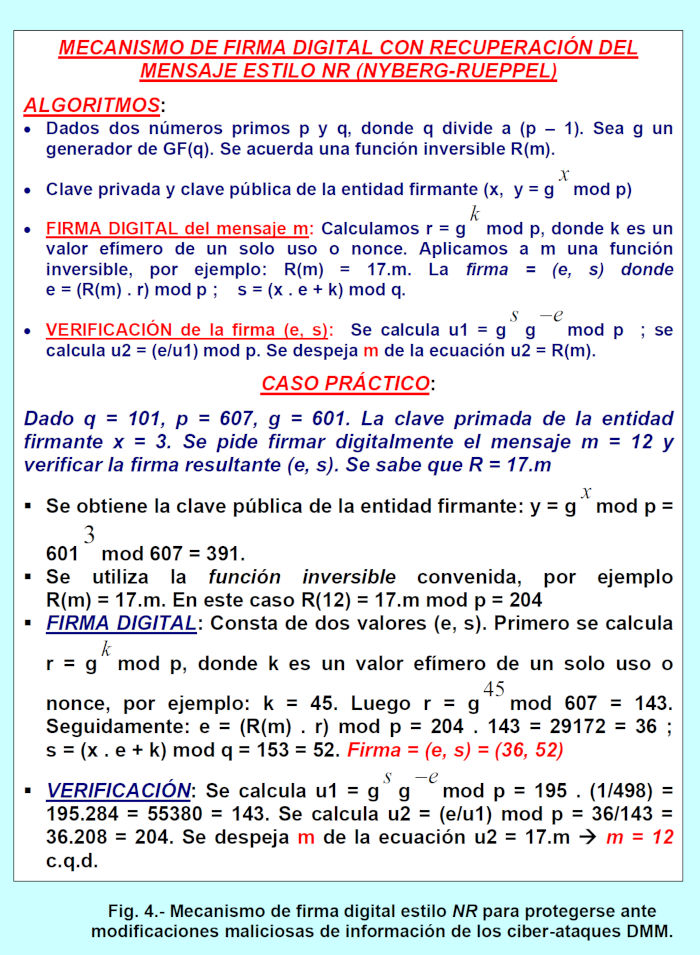 DMM cyberattacks affect all types of entities; nothing and no one is safe: people (groups, families, companies, nations, the planet, cyber-pandemics of disinformation, cyberbullying, hoaxes, disputes, reputational damage, etc.), industrial systems/companies (SCADA networks, PLCs, computing devices, machines, DTs (digital twins), the industrial metaverse, CPS (Cyber Physical Systems), AI ecosystems, configurations, apps/APIs, databases, CRM, ERP, CAD, PLM, etc.), AI systems (personal assistants (such as Siri, Alexa, Cortana, etc.), digital twins and the industrial metaverse, social and all types of robots, connected vehicles, CPS, ECUs, servers, sensors that warn of false information, telecommunications such as 5G, etc.), clouds (cloud, fog, edge, public and private, SaaS, IaaS, AaaS, etc.), outdoor/indoor geolocation by satellite or Triangulation in cellular telephony, Bluetooth, etc. on a one-off basis or in farms, clusters, etc. DMM cyberattacks employ countless methods, procedures, techniques, tactics, and strategies to achieve their objectives: social engineering, troll farms, botnets (human and artificial; AI-based call centers), content/fake news/dispute generators, subtle agents/actors synthesizing half-truths, manipulative pseudo-pundits (who confuse truths with subtle false opinions. An opinion on a technical-scientific topic from someone without training or experience is almost always false. The aim is to put lies, errors, and mistakes into the mouths of pseudo-pundits and seemingly respectable individuals), injection of subliminal false information in audio, video, and images in advertising, announcements, programs, and social media (instant messages, forums, news), creating numerous pseudo-truths proclaimed by fake experts, repeatedly stating half-truths and then lies to create the illusion of agreement with the pseudo-truth until it is perceived as true—in other words, a false truth—and using real truths to inject falsehoods. Truths, psychological/psychiatric techniques used by torturers, contaminating family, friends, and acquaintances with false information, modifying/perverting multimedia information and biometric data with "synthetic media/deepfakes," etc. DMM cyberattacks enable cyber warfare against truth and accurate information. DMM cyberattacks targeting data to alter it in storage can be neutralized using WORM memory (which only allows writing once and reading many times). H.W. Johnson once said, "The first casualty of war is truth." We all have the right not to be deceived. The inclusion of artificial intelligence (AI)-based actors in disinformation to create falsehoods, erroneous judgments, lie detectors that don't tell the truth to deceive, etc., is a concern. The DAIM (Defense and Information Management Authority) is capable of blocking/neutralizing/nullifying all types of preemptive (even very subtle) DMM cyberattacks. It also prevents any attempt to carry out each micro-action in the entire cyberattack chain, since there is only one truth. Over the next few years, technology will continue to evolve. Deepfake/synthetic media will be used extensively by organized crime, becoming a fundamental tool. Europol indicates that it will be used primarily in three areas: disinformation, non-consensual pornography, and document fraud. Another highly dangerous area is authentication/access control using falsified biometrics (fingerprints, faces, voices, videos, photos, video calls, etc.). The manipulation of information (using DMM cyberattacks) gives rise to a new series of cyberattack surfaces emerging from the avalanche of data used in decision-making by individuals/organizations, nations, machines, AI devices, data intelligence, data technology, vulnerability intelligence, passwordless authentication, digital twins, the industrial metaverse, the Internet of Things (IoMT) in healthcare, and so on.
 FINAL CONSIDERATIONS.
According to IBM and the Ponemon Institute, 40% of companies do not review their app code for cybersecurity vulnerabilities. A study by Thales in collaboration with IDC highlights that only 54% of sensitive data stored in the cloud is encrypted, and only 44% is protected through tokenization to enhance its security. According to Leet Security's "State of Cybersecurity in the Supply Chain" report, 95.7% of companies are concerned about supply chain security. Akamai Technologies has observed a 235% increase in phishing cyberattacks. DMM cyberattacks are designed to make you doubt your own judgment, change your vote, modify machine/device configurations, and disrupt updates and training of AI/ML/DL-based systems. To "talk endlessly," to tire people out, and to subtly introduce false/perverse information, half-truths, insidious/contradictory messages, and to engage in the stealthy denial of the truth, etc. To use disturbing lies, half-truths, spread hoaxes, and tell false stories. To employ convincing entities (people and AI-based machines), botnets, and armies of trolls that disseminate nonsense via audio, video, text, photos, radio, TV, social media, etc., supported by cloned/fake, highly popular figures who command public respect and endorsements, etc. One solution to DMM cyberattacks is the use of defense and protection tools against all types of cyberattacks, such as DAIM/MIAD, which operate proactively, blocking and neutralizing early signs of potentially malicious behavior anomalies, thus preventing possible attempts at malicious micro-actions.
REFERENCES.
- Areitio, J. “Information Security: Networks, Computing and Information Systems”. Cengage Learning-Paraninfo. 2022.
- Areitio, J. “Early Cancellation by DAIM/MIAD of Singularities and Techniques Generating Insidious Cyberattacks”. Conectrónica Magazine, no. 256. May 2023.
- Areitio, J. “Hidden Secret Potential for Defense and Protection Integrated into Modern Cybersecurity/Privacy”. Conectrónica Magazine, no. 257. June 2023.
- Barclay, DA “Disinformation: The Nature of Facts and Lies in the Post-Truth Era”. Rowman & Littlefield Publishers. 2022.
- Poerksen, B., Koeck, AR and Koeck, WK “Digital Fever: Taming the Big Business of Disinformation”. Palgrave Macmillan. 2022.
- Coper, E. “Facts and Other Lies: Welcome to the Disinformation Age.” Allen & Unwin. 2023.
- Rubin, VL “Misinformation and Disinformation: Detecting Fakes with the Eye and AI” Springer. 2022. - Haciyakupoglu, G. and Wong, Y. “Gender and Security in Digital Space: Navigating Access, Harassment, and Disinformation”. Routledge. 2022. - Bakir, V. and McStay, A. “Optimizing Emotions, Incubating Falsehoods: How to Protect the Global Civic Body from Disinformation and Misinformation.” Palgrave Macmillan. 2022. - Lemieux, VL “Searching for Trust”. Cambridge University Press. 2022. - Tan, A. “Unreal: The Rise of Disinformation In The Digital Age.” ABF Publishing. 2021. - Jones, MD “Disinformation and You: Identify Propaganda and Manipulation”. Visible Ink Press. 2021. - Jayakumar, S., Ang, B. and Anwar, ND “Disinformation and Fake News”. Palgrave Macmillan. 2021. - Shu, K., Wang, S., Lee, D. and Liu, H. “Disinformation, Misinformation, and Fake News in Social Media: Emerging Research Challenges and Opportunities.” Springer. 2021. - - DiMaggio, J. “The Art of Cyberwarfare: An Investigator's Guide to Espionage, Ransomware, and Organized Cybercrime.” Not Starch Press. 2022.
- Ebrahimi, M. “Information Manipulation and Its Impact Across All Industries”. Information Science Reference. 2021.
- Stanford, E. “Crypto Wars: Faked Deaths, Missing Billions and Industry Disruption.” Kogan Page. 2021.
- Hadnagy, C. “Social Engineering. The Science of Human Piracy”. Anaya Multimedia. 2023.
- Bao, T., Tambe, M. and Wang, C. “Cyber Deception”. Springer. 2023.
Author: Prof. Dr. Javier Areitio Bertolín - Director of the Networks and Systems Research Group