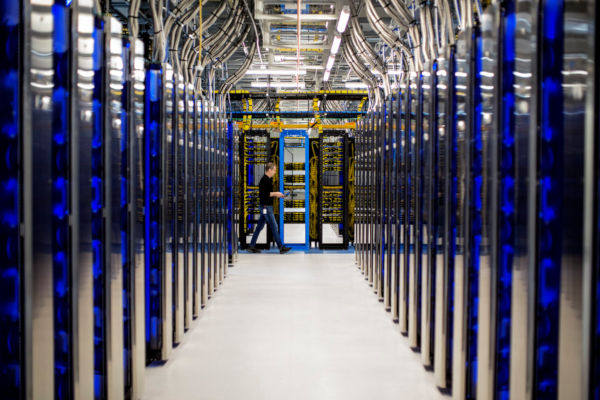
Microsoft has been a carbon-neutral company since 2012 and has since continued to increase the amount of renewable energy it uses, including wind, solar, and hydroelectric power. Earlier this year, Microsoft President Brad Smith confirmed that the company will reach its goal of powering its data centers with 60 percent renewable energy by the end of 2019. He also added that the company intends to reach 70 percent by 2023 and aims to continue working toward 100 percent.
“We aim for our data centers in Sweden to be among the most sustainable in the world, and we have the ambition to achieve zero-CO2 operations. The design of the center we are developing will reinforce Microsoft’s ongoing commitment to the transition to a sustainable, low-carbon future,” said Noelle Walsh, corporate vice president of Cloud Operations and Innovation at Microsoft.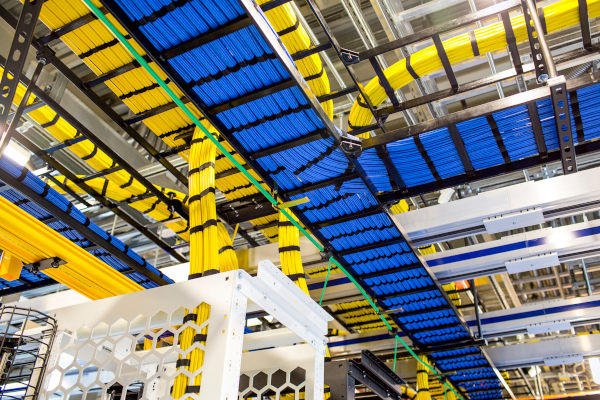
Microsoft will collaborate with Vattenfall, one of Europe's largest electricity and heating producers and distributors (with support from its Node Pole team), to supply renewable energy for future data centers. The two companies will also work on developing solutions to reduce the carbon footprint of data centers and build new infrastructure to ensure energy supply to the facilities and surrounding areas in Sweden in the coming years.
Microsoft and Vattenfall announced the largest wind energy deal in the Netherlands in 2017. Microsoft purchased 100% of the energy generated by a 180-megawatt wind farm located next to its local data center in the Netherlands. The wind farm is being built and operated by Vattenfall in the Wieringermeer Polder, north of Amsterdam.
Microsoft's data centers in Sweden are anticipating future needs for cloud and internet services as demand in Europe continues to grow. In its recent third-quarter earnings report for fiscal year 2019, Microsoft shared that demand for its cloud offerings drove commercial cloud revenue to $9.6 billion in the last quarter, a 41 percent increase year-over-year.
The new Swedish data centers will expand Microsoft's existing network of European data centers, joining those already planned in Norway and Switzerland, and those already operational in Austria, France, Finland, Germany, Ireland, the Netherlands, and the United Kingdom.
Microsoft continues to focus on research and development (R&D) to achieve greater efficiency and increase the use of renewable energy across its global infrastructure. As part of this process, Microsoft also plans to launch a new data-driven circular cloud initiative powered by the Internet of Things (IoT), blockchain, and artificial intelligence (AI) to monitor performance and streamline the reuse, resale, and recycling of data center assets, including servers. With other innovations such as Project Natick, the world's first underwater data center, and the award-winning Advanced Energy Lab, Microsoft continues to push the boundaries of data center innovation and sustainability for both new and existing projects.