• Stream type: This tool only includes MPEG technology.
• Resolution: Consider 704 x 480, as this corresponds to the most common recording format currently used in CCTV.
• Video quality: Allows for three levels, which will determine the size of the files to be transmitted:
Low,
Medium,
or High.
• Number of cameras: Includes the number of cameras planned plus the number of internet connections required for system control.
• Frame rate (Fpc): This number also determines the bandwidth required for transmission and recording.
This gives us the following results:
• Average Frame Size (kB)
• Total Bandwidth (Mbps): precise data for making decisions about the appropriate network and its topology (fiber or cable, existing or new network, etc.)
• Average Bandwidth per Camera (Kbps): precise data for studying possible reconfigurations, modifications, etc.
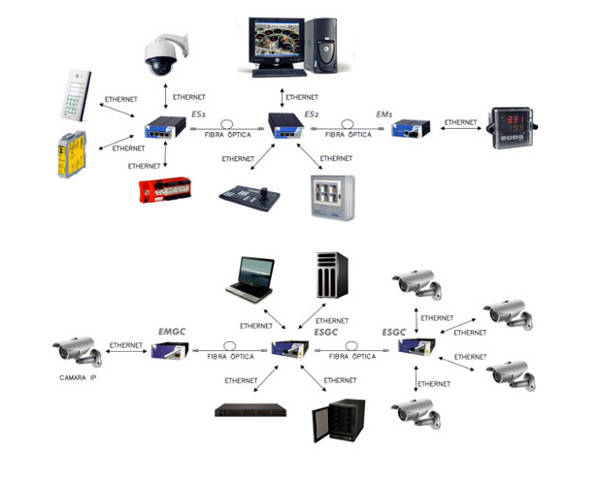
The use of IP surveillance cameras over Ethernet networks is becoming increasingly common, as it allows both the use of existing company networks and the access or use of the surveillance system from any point on the network, with all the advantages that entails. Therefore, CCTV cameras are considered a network-connected element; for this, we must know an important piece of information: the bandwidth consumed, which will indicate the necessary type of network and may even recommend the use of a dedicated LAN for this application to avoid saturation problems.
Audiovisuals in retail: the customer comes first
Even before the pandemic, the brick-and-mortar retail sector was undergoing significant changes, as the battle intensified to attract people back to stores instead of online shopping. As shoppers return to malls and high streets,...